
Visit Fly Ranch
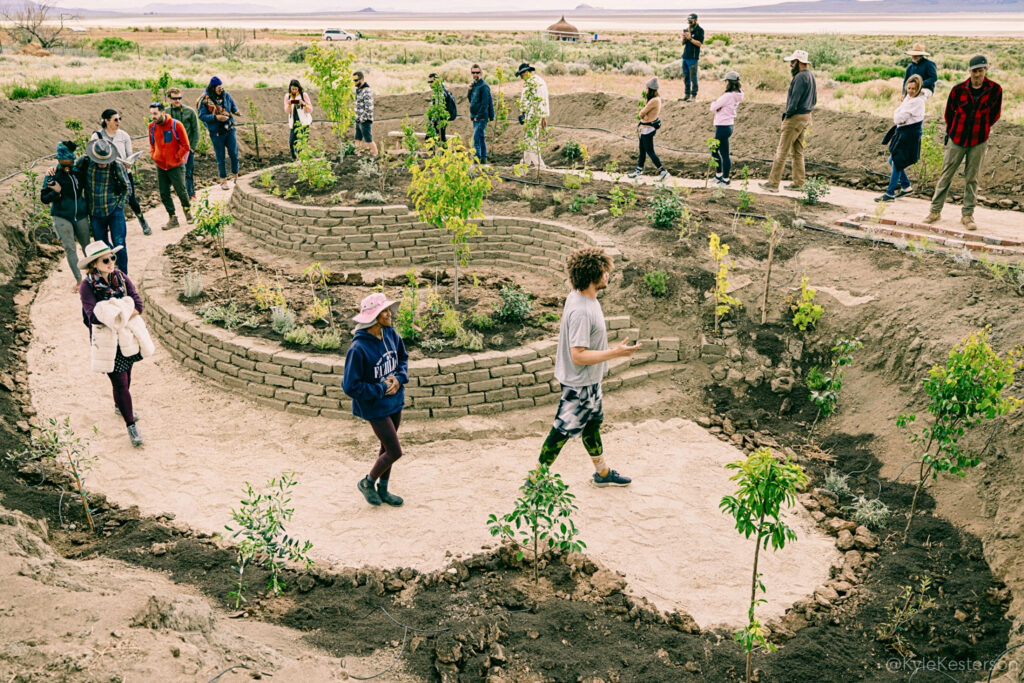
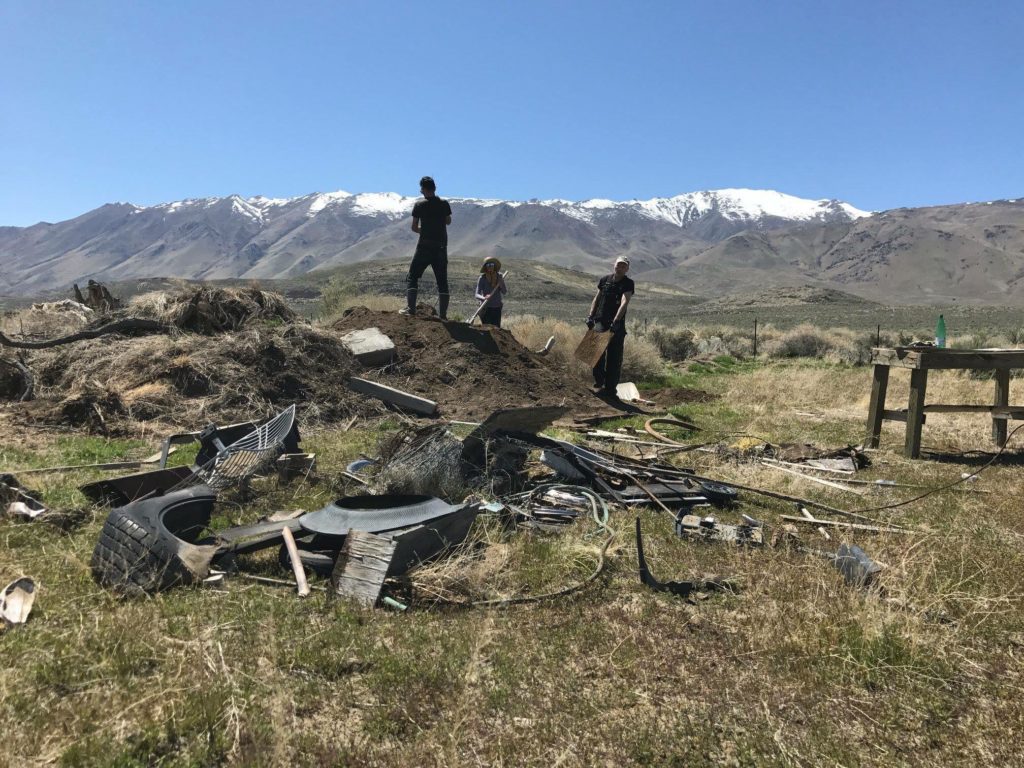
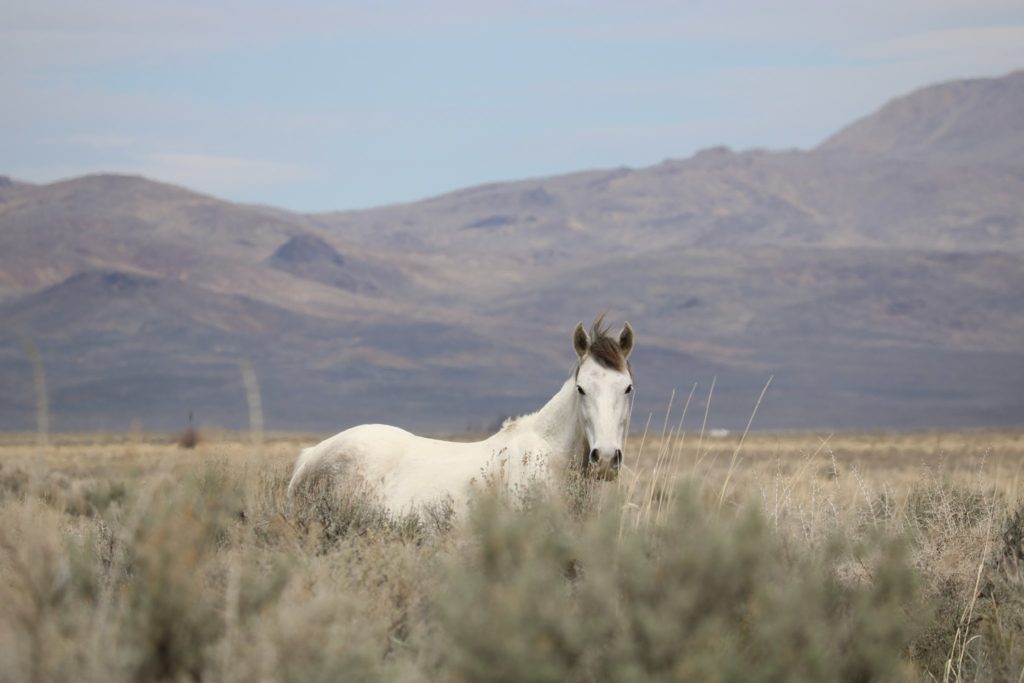
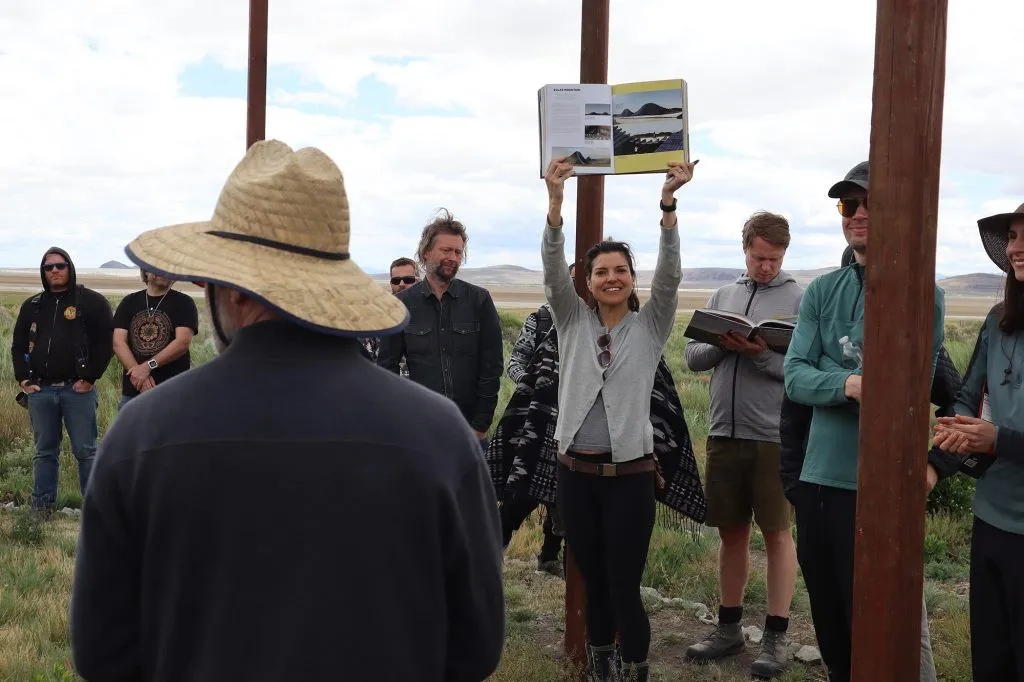
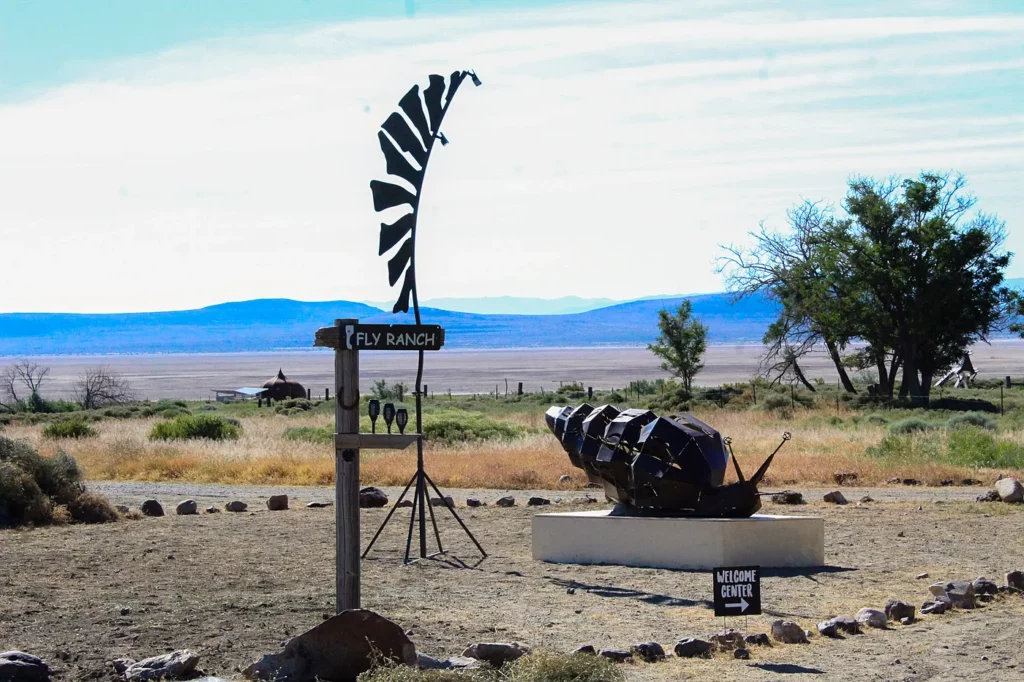
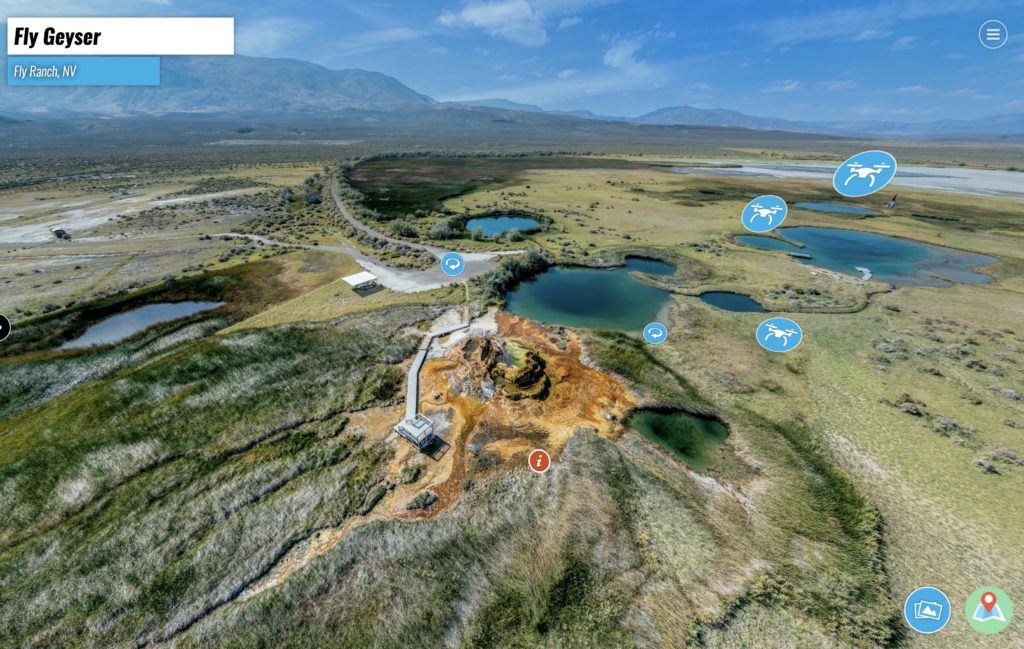
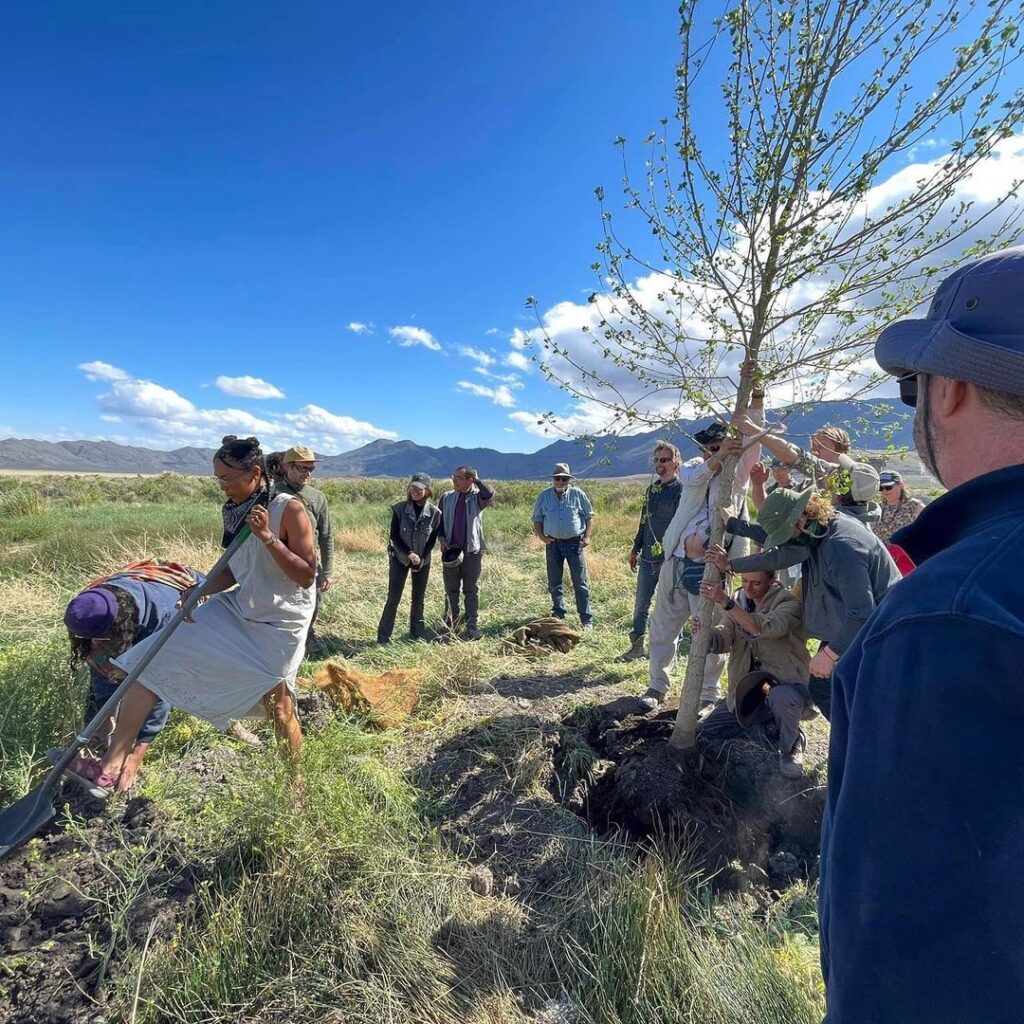
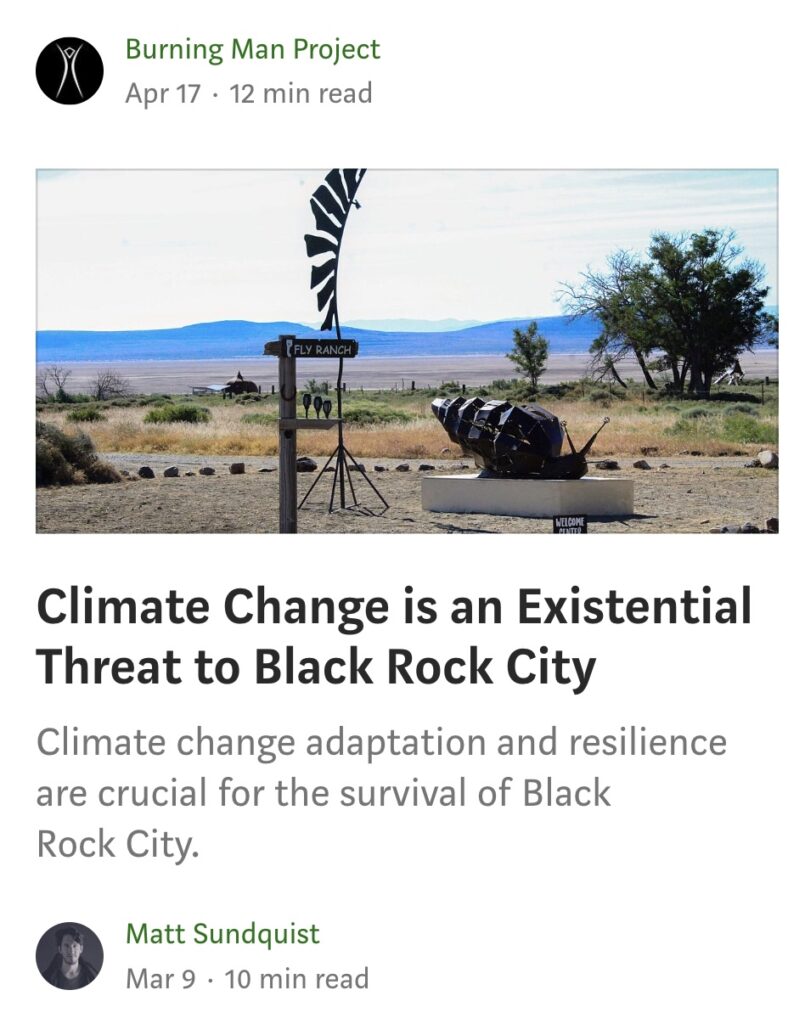
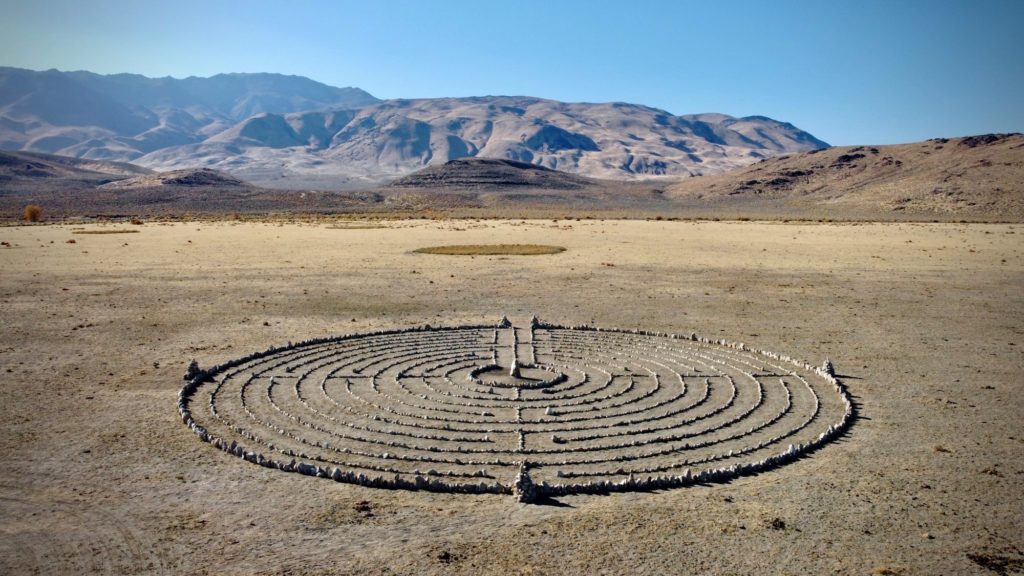
Since 2016 stewards have walked, worked, and camped at Fly Ranch. We have found uses for relics from the old airport, ranch, and farm. We have cared for the land, started non-native species management, and grazed 150 cows.
Land Stewardship
As Burning Man’s CEO Marian wrote in Burning Man Project’s 2019 Annual Report, Fly Ranch sparked the 2030 Sustainability Roadmap: “Informed by our stewardship of the land and waters at Fly Ranch and the global climate crisis, we created an environmental sustainability roadmap that sets ambitious goals around waste management, ecological impact, and carbon sequestration.” A documentary from the International Wood Culture Society was filmed at Burning Man 2022 and shows how sustainability projects are coming to life in diverse and innovative ways.
LAGI & Fly Ranch
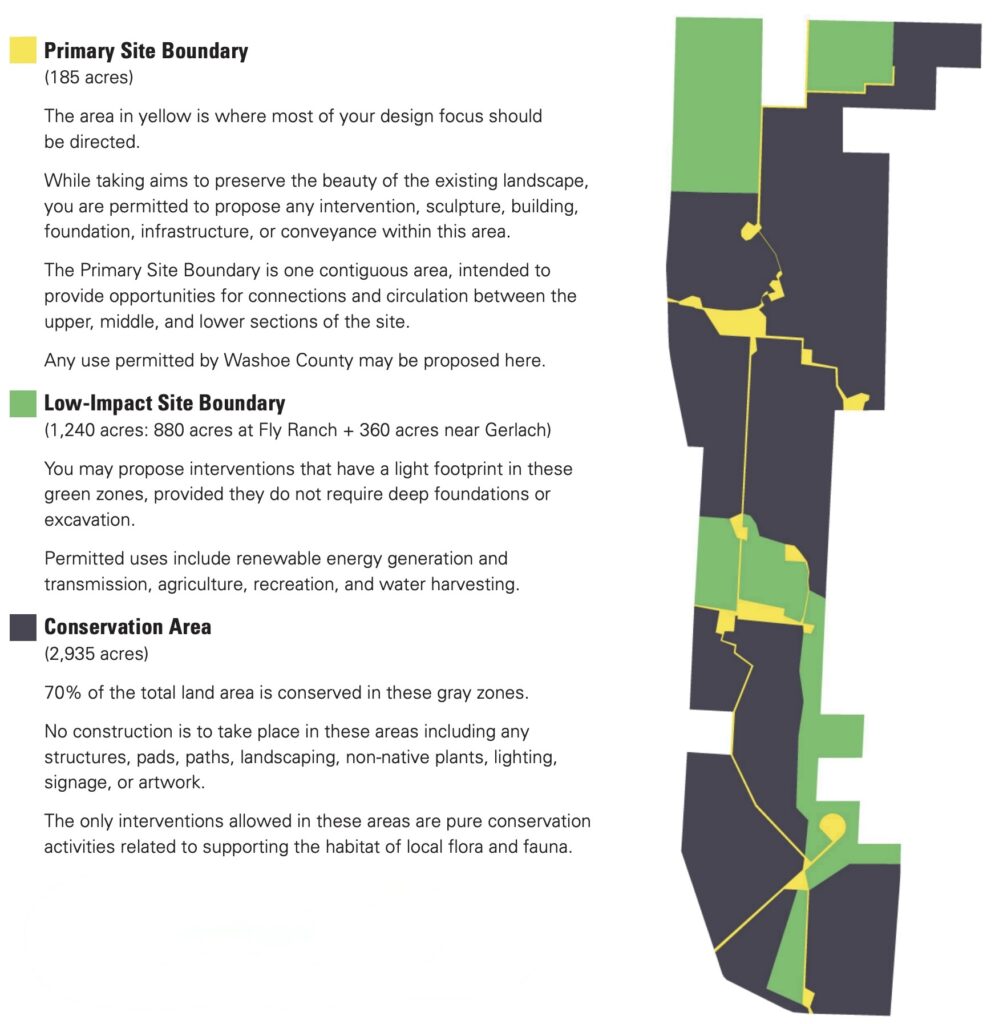
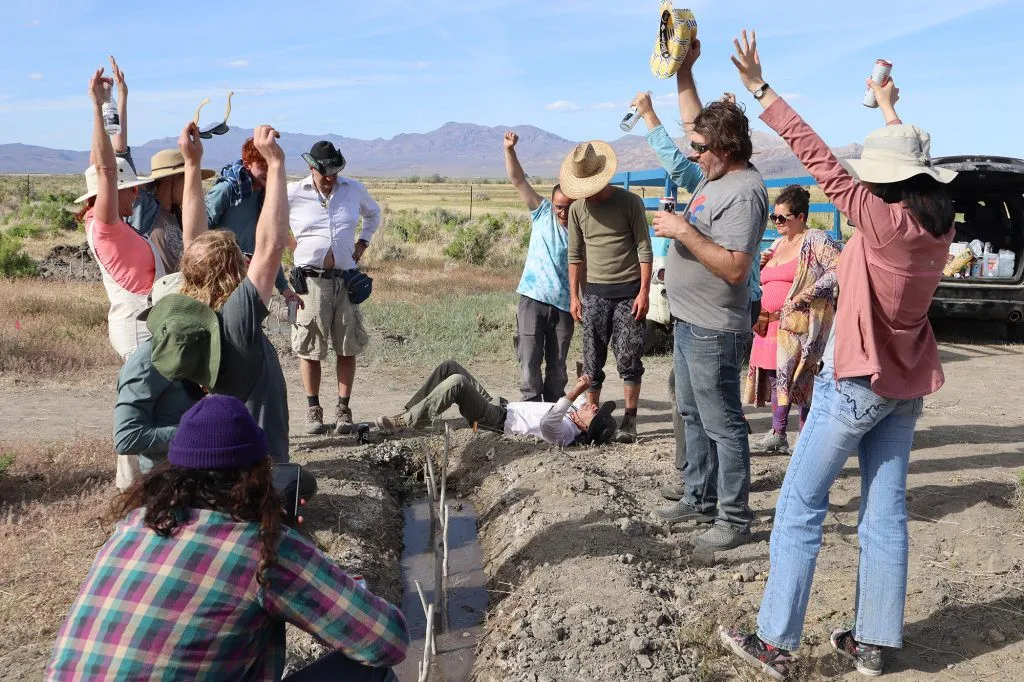
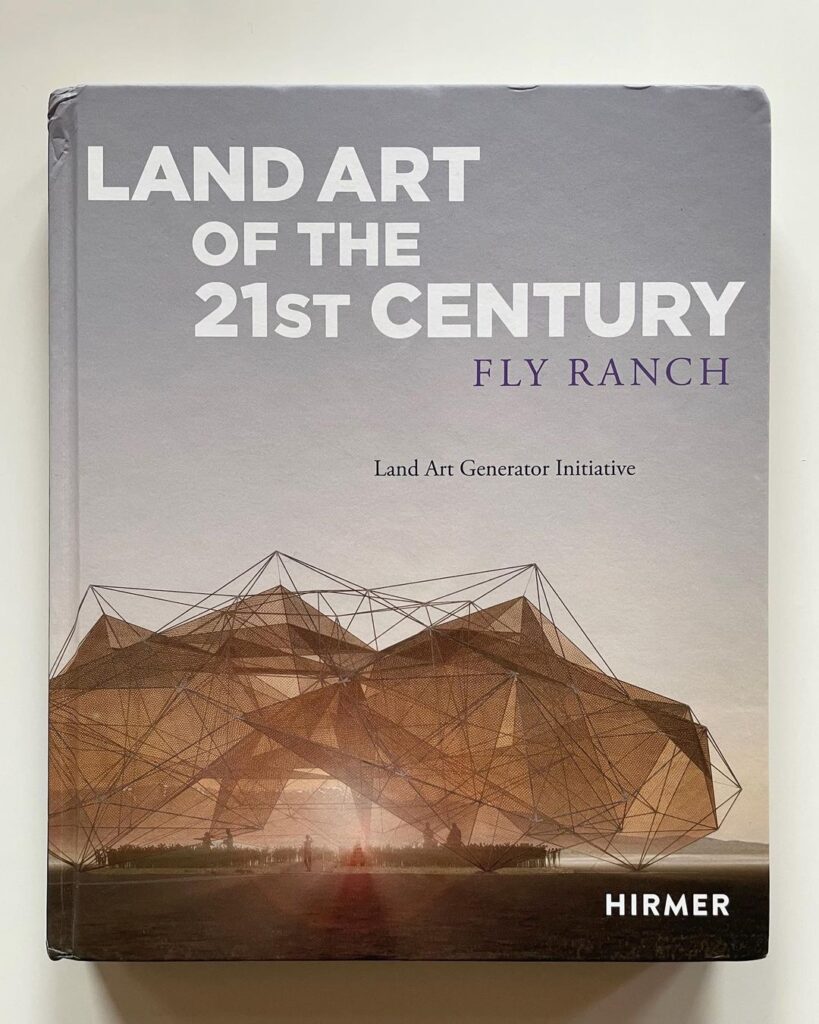
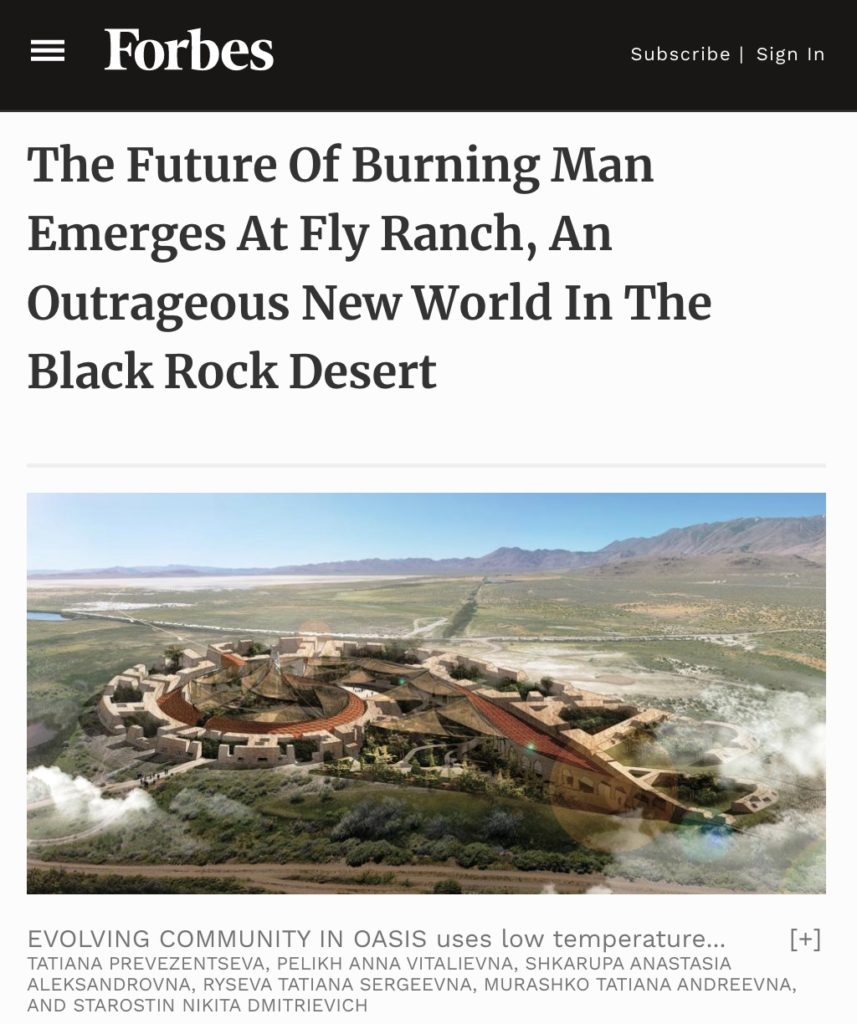
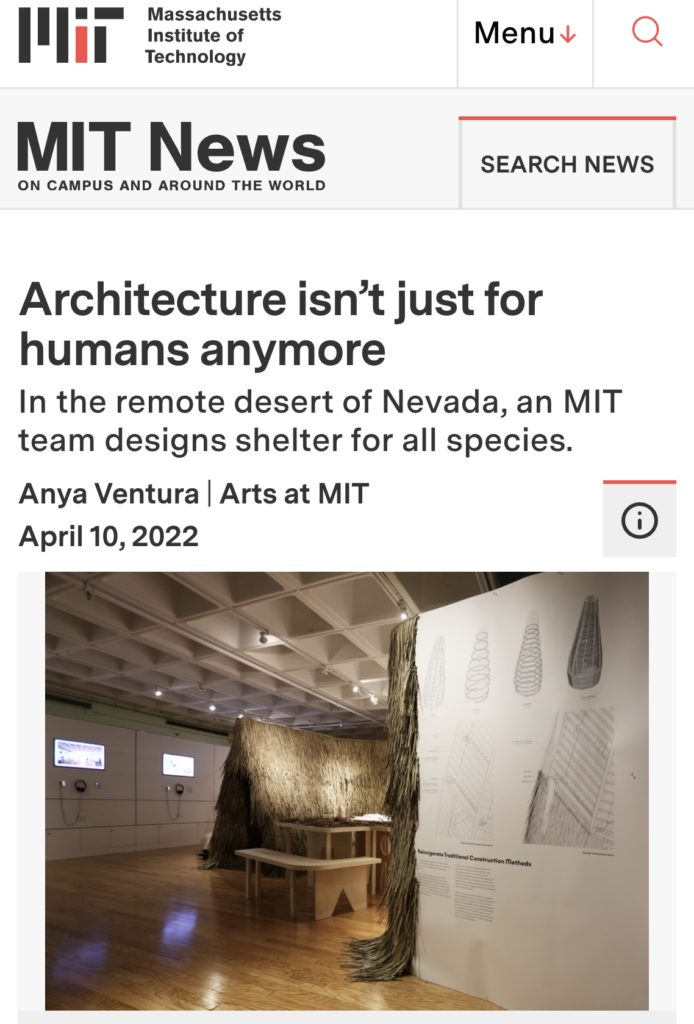
Since 2018 we’ve partnered with the Land Art Generator Initiative on a design challenge focused on food, power, water, shelter, and waste.

LAGI 2020 Call
The call below includes the top ten LAGI teams, jurors, and advisors. Hear from USA Today’s Nevada Woman of the Year Autumn Harry, Community Organizer Beverly Harry, Professor Kyle Whyte, Indigenous Women Hike Founder Jolie Varela, Burning Man Co-Founders Will Roger & Crimson Rose, and Dr. Victor Santiago Pineda. The link has timestamps.
Campouts
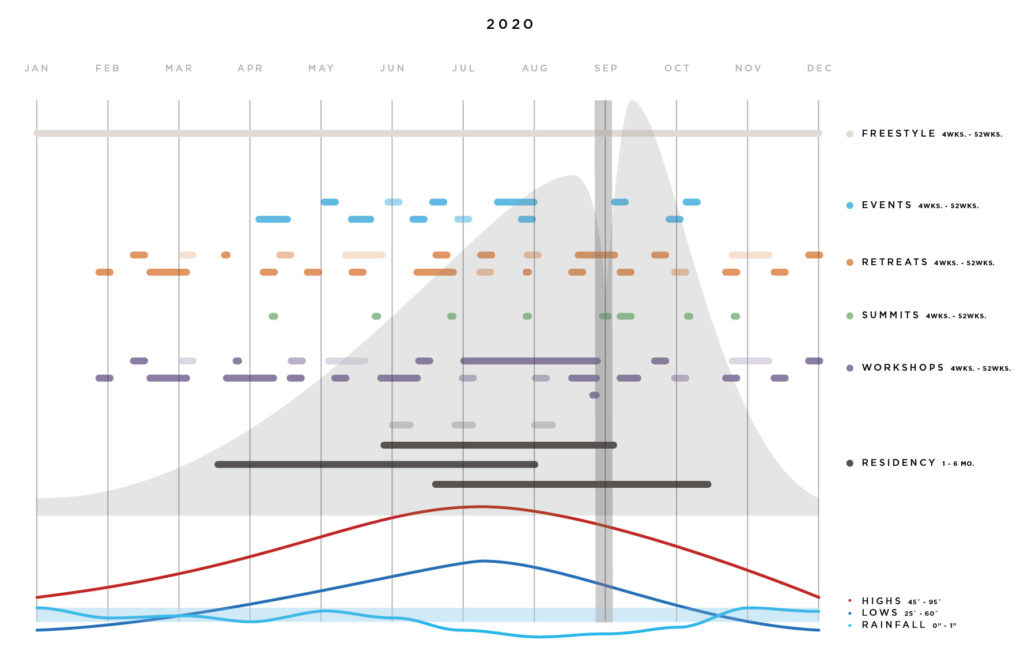
Writer’s Emerging was a retreat to connect with the land and participate in creative workshops. One participant noted: “The Writers Emerging program epitomizes the highest and most multi-faceted potential of what your organization and its resources can do.” Read an interview with event producer Yodassa Williams to learn more.
Tule Harvest at Fly Ranch
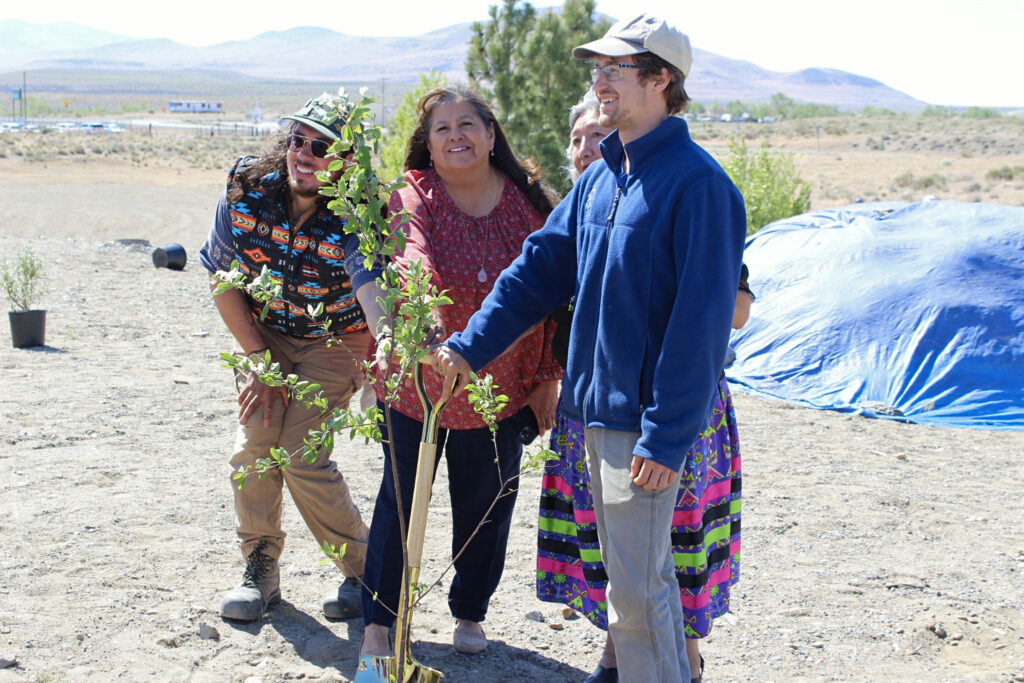
In 2022 Dean Barlese, Pyramid Lake Paiute Tribe spiritual leader, took a walk at Fly Ranch and made plans to return to gather Tule. The experience led to a collaboration: “While there Dean noticed an abundance of tule, a culturally significant plant for the Paiutes, and asked for permission to return and harvest. Much of the habitat for tule has been eliminated or destroyed by agricultural runoff, wetland destruction, or grazing, making the bountiful and pollutant-free shorelines at Fly Ranch a treasure trove of tule, cattails, and rushes, all important to the Paiute people for various purposes.” The video below by @mistyyoungbear documents the harvest.
@mistyyoungbear Gathering tules at Fly Ranch, north of Gerlach with our lovely friends🤩 So lucky to have been a part of this. ##nativetiktok #gatheringtulle #learningtraditions #justindigenousthatone #teachingandlearning #pauiteland #burningmanpeople ♬ original sound - Misty Youngbear